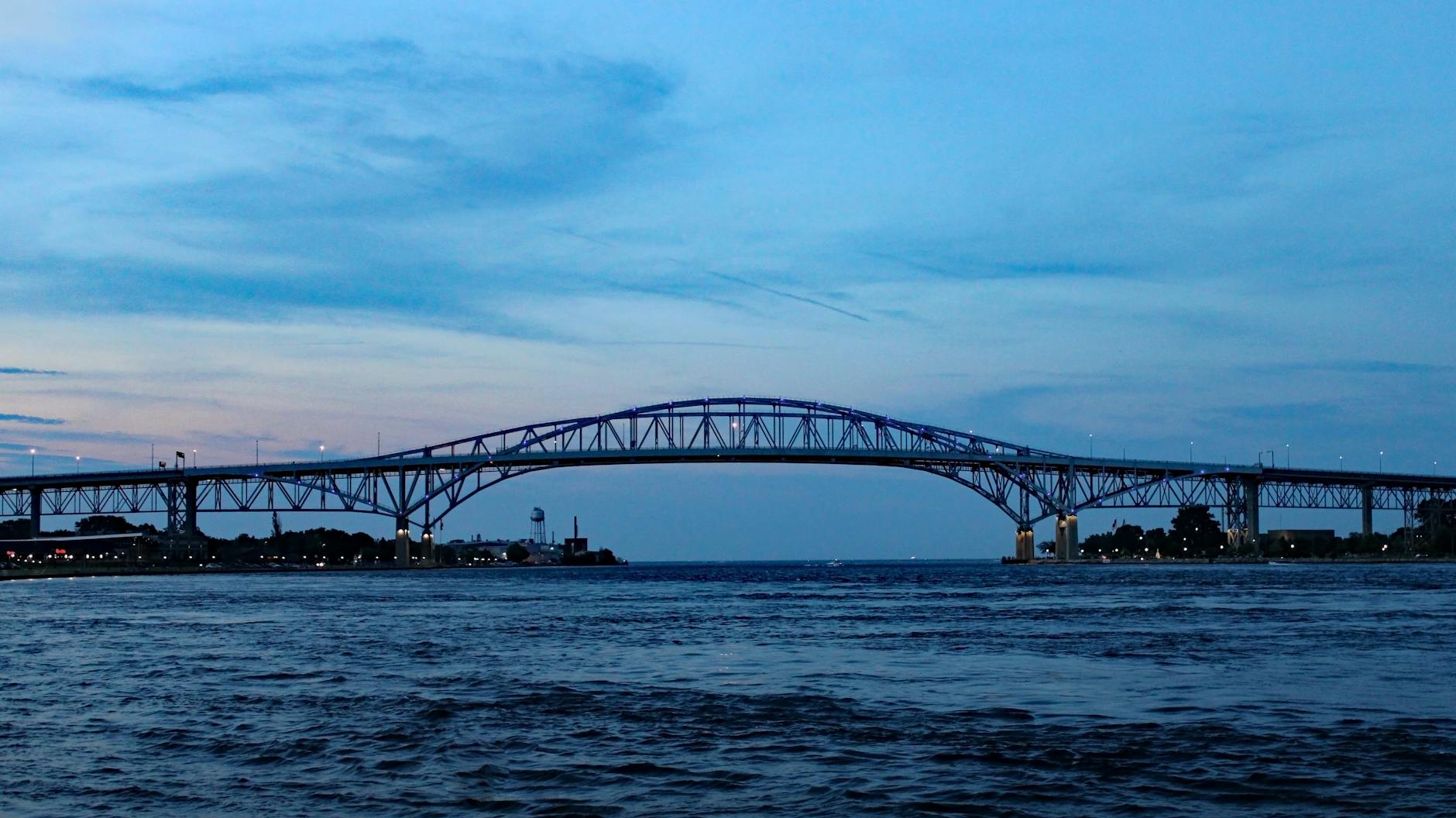
The Huron River, a 130-mile waterway flowing through southeast Michigan, has become a focal point in the ongoing battle against per- and polyfluoroalkyl substances (PFAS) contamination. This article explores the extent of PFAS pollution in the Huron River, its impact on local communities, and the efforts being made to address this environmental crisis.
Understanding PFAS
PFAS, often referred to as “forever chemicals,” are a group of man-made compounds known for their water-repellent properties. These substances have been widely used in various consumer products, including:
- Cosmetics
- Scotchgard and Teflon
- Fire-retardant sprays
- Food packaging (e.g., pizza boxes and microwave popcorn bags)
The persistence of PFAS in the environment is a significant concern, as they do not biodegrade easily. This characteristic has led to widespread contamination of water sources, including the Huron River.
The Extent of PFAS Contamination in the Huron River
In 2018, the Michigan Department of Health and Human Services (MDHHS) extended a toxic PFAS advisory to the entire 130-mile length of the Huron River. This advisory warned against consuming any fish caught from the river due to high levels of PFOS, a type of PFAS.
Key Areas Affected
The Huron River flows through several important areas in southeast Michigan, including:
- Thirteen parks, game areas, and recreation areas
- Cities such as Dexter, Ann Arbor, Ypsilanti, Belleville, Flat Rock, and Rockwood
- 27.5 miles of the mainstream designated as a Country-Scenic Natural River
- 10.5 miles of three tributaries
The widespread contamination has raised significant concerns about the river’s ecosystem and its impact on local communities.
Health Risks Associated with PFAS Exposure
PFAS contamination in the Huron River poses several health risks to humans and wildlife. Research has linked PFAS exposure to various health issues, including:
- Cancer
- Liver damage
- Birth defects
- Autoimmune diseases
It’s important to note that while consuming contaminated fish is the primary concern, the Michigan Department of Health and Human Services has stated that touching the water or swimming in affected areas is not considered a health risk, as PFAS do not easily penetrate the skin.
Sources of PFAS Contamination
Identifying and addressing the sources of PFAS contamination in the Huron River is crucial for long-term remediation efforts. While numerous potential sources exist, some have been identified:
Industrial Sources
In 2018, a metro Detroit auto supplier was identified as a source of PFAS pollution in the Huron River. This discovery highlighted the role of industrial activities in contributing to the contamination.
Military Installations
Military bases, such as Wurtsmith Air Force Base in Oscoda, Michigan, have been linked to PFAS contamination in drinking water sources. While not directly connected to the Huron River, this example illustrates the widespread nature of PFAS pollution in Michigan.
Widespread Contamination
The PFAS issue extends far beyond the Huron River. Michigan officials estimate that PFAS might contaminate more than 11,000 sites statewide. This pervasive contamination underscores the magnitude of the problem and the challenges in addressing it.
Impact on Drinking Water
The PFAS contamination in the Huron River has significant implications for drinking water quality in the region. As of late August 2018, the state of Michigan had found PFAS in the drinking water of 1.5 million residents, with testing only about halfway complete.
Affected Water Systems
Several public water supply systems in Michigan have detected PFAS, including:
- Major systems drawing water from the Great Lakes
- Groundwater systems in Kalamazoo
- Surface water systems in Ann Arbor, which primarily draws from the Huron River
Regulatory Challenges
Addressing PFAS contamination in the Huron River and other water sources faces significant regulatory challenges:
Lack of Enforceable Standards
As of 2018, both the state of Michigan and the federal government lacked legally enforceable drinking water standards for PFAS. This regulatory gap has complicated efforts to address the contamination effectively.
EPA Advisory Levels
The U.S. Environmental Protection Agency (EPA) has established an advisory level of 70 parts per trillion (ppt) for PFAS in drinking water. However, this level is not legally enforceable and has been criticized as inadequate for protecting public health, particularly for vulnerable populations such as children and pregnant women.
Efforts to Address PFAS Contamination
Despite the challenges, various stakeholders are working to address PFAS contamination in the Huron River and throughout Michigan.
Public Information Sessions
Local governments and organizations have held public information sessions to educate residents about PFAS contamination and its implications. For example, in December 2018, Ann Arbor hosted a public information session on PFAS and Huron River water quality.
Legislative Action
Legislators have taken notice of the PFAS issue in the Huron River. In October 2018, a meeting was held to address Huron River contamination from a Wixom plant, demonstrating growing political attention to the problem.
Ongoing Research and Monitoring
Continued research and monitoring efforts are crucial for understanding the extent of PFAS contamination and developing effective remediation strategies. Organizations like the Huron River Watershed Council play a vital role in these efforts.
The Future of the Huron River
Addressing PFAS contamination in the Huron River will require sustained, long-term efforts from multiple stakeholders. Key areas of focus for the future include:
- Developing and implementing stricter regulatory standards for PFAS in drinking water and surface water.
- Identifying and mitigating sources of PFAS contamination throughout the watershed.
- Investing in advanced water treatment technologies to remove PFAS from drinking water supplies.
- Continuing public education and outreach efforts to keep communities informed about the risks and progress in addressing PFAS contamination.
- Supporting research into the long-term health effects of PFAS exposure and potential remediation techniques.
Conclusion
The PFAS contamination in the Huron River represents a significant environmental and public health challenge for southeast Michigan. As a critical water source and recreational area, the river’s health is intimately connected to the well-being of surrounding communities.
Addressing this issue will require a coordinated effort from government agencies, environmental organizations, researchers, and local communities. While progress has been made in identifying the extent of the problem and raising public awareness, much work remains to be done to restore the Huron River to a safe and healthy state.
As research continues and regulatory frameworks evolve, it is crucial for residents and visitors to stay informed about the latest advisories and recommendations regarding PFAS in the Huron River.