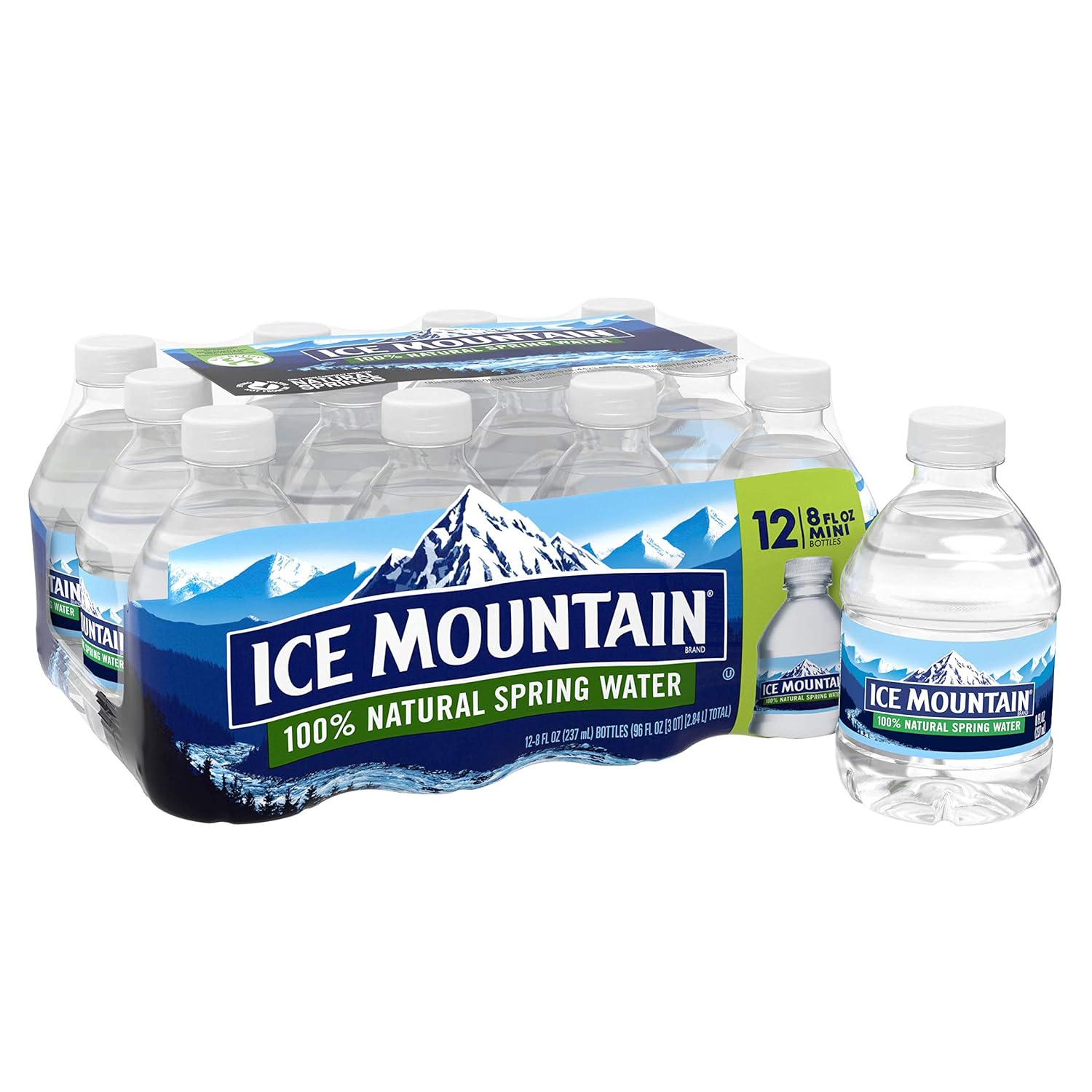
Ice Mountain is a popular brand of bottled spring water, but many consumers have questions about the safety of the packaging, particularly regarding BPA. This article will examine whether Ice Mountain water bottles contain BPA, explore the potential health impacts, and provide a thorough overview of Ice Mountain’s bottling practices and safety standards.

What is BPA?
BPA (Bisphenol A) is an industrial chemical used in the production of certain plastics and resins since the 1960s. It’s commonly found in polycarbonate plastics and epoxy resins, which are used in a variety of consumer products, including some food containers and water bottles.
BPA has come under scrutiny in recent years due to concerns about its potential health effects. Some studies have suggested that BPA may have estrogenic properties and could potentially interfere with hormonal systems in the body.
Ice Mountain’s Stance on BPA
Ice Mountain, owned by BlueTriton Brands (formerly Nestlé Waters North America), has been proactive in addressing consumer concerns about BPA. According to the company’s official statements and website information:
- PET Bottles: Ice Mountain’s single-serve bottles are made from polyethylene terephthalate (PET) plastic, which does not contain BPA.
- 3 and 5-Gallon Bottles: The larger 3 and 5-gallon bottles used for water coolers are made from polycarbonate plastic, which historically contained BPA. However, Ice Mountain has transitioned to BPA-free alternatives for these bottles.
- Commitment to Safety: Ice Mountain emphasizes its commitment to product safety and quality, stating that all of their bottled water products meet or exceed FDA regulations.
Understanding Plastic Types in Water Bottles
To better understand Ice Mountain’s BPA-free claims, it’s helpful to know about different types of plastics used in water bottles:
- PET (Polyethylene Terephthalate): This is the most common plastic used for single-serve water bottles. PET does not contain BPA and is generally considered safe for food and beverage packaging.
- HDPE (High-Density Polyethylene): Often used for milk jugs and some water bottles, HDPE is also BPA-free.
- Polycarbonate: This is the plastic that traditionally contained BPA. It was commonly used in large, reusable water bottles and food storage containers.
- Tritan: A relatively new plastic that’s BPA-free and often used as a replacement for polycarbonate in reusable water bottles.
Ice Mountain’s use of PET for single-serve bottles and their transition to BPA-free alternatives for larger bottles aligns with industry best practices for avoiding BPA in water packaging.
The Science Behind BPA Safety Concerns
While Ice Mountain has taken steps to eliminate BPA from their products, it’s worth examining why BPA has become such a concern:
- Endocrine Disruption: Some studies suggest that BPA may mimic or interfere with hormones in the body, particularly estrogen. This has led to concerns about potential impacts on reproductive health, fetal development, and other hormone-related processes.
- Leaching: BPA can potentially leach from plastic containers into food or beverages, especially when exposed to heat or acidic conditions.
- Widespread Exposure: Due to its prevalence in many consumer products, humans are exposed to BPA through multiple sources, raising concerns about cumulative effects.
- Regulatory Action: Some jurisdictions have banned or restricted BPA use in certain products, particularly those intended for infants and young children.
However, it’s important to note that regulatory bodies like the FDA maintain that BPA is safe at the low levels that occur in some foods. The scientific community continues to study BPA’s potential effects, and the debate is ongoing.
Ice Mountain’s Water Sources and Quality Control
Beyond the packaging, the quality of the water itself is a crucial consideration. Ice Mountain sources its water from natural springs in Michigan:
- Spring Sources: Ice Mountain water comes from carefully selected natural springs in Michigan. The company emphasizes the pristine nature of these sources.
- Filtration and Testing: The water undergoes a multi-step quality control process, including filtration and rigorous testing, to ensure it meets or exceeds all federal and state regulations.
- Mineral Content: As natural spring water, Ice Mountain contains a variety of minerals that contribute to its taste profile. The exact mineral content can vary slightly depending on the specific spring source.
Environmental Considerations
While the focus on BPA-free packaging is important for consumer health, it’s also worth considering the broader environmental impact of bottled water:
- Plastic Waste: Even BPA-free plastic bottles contribute to the global issue of plastic waste. Ice Mountain encourages recycling of their bottles and uses recycled plastic in some of their packaging.
- Carbon Footprint: The production, transportation, and refrigeration of bottled water contribute to its carbon footprint. Ice Mountain has initiatives to reduce their environmental impact, including lightweight bottle designs and optimized transportation routes.
- Water Source Sustainability: Ice Mountain states that they carefully manage their spring sources to ensure long-term sustainability. However, the extraction of spring water for bottling has been a point of controversy in some communities.
Alternatives to Bottled Water
For consumers concerned about both BPA and environmental impact, there are alternatives to bottled water:
- Reusable Water Bottles: High-quality, BPA-free reusable bottles made from materials like stainless steel or glass can be a more sustainable option. Check out Keurig’s BPA-Free Tumbler for a great reusable option.
- Home Filtration Systems: Installing a water filtration system at home can provide clean drinking water without the need for single-use bottles.
- Tap Water: In many areas, tap water is safe to drink and regularly tested for contaminants. It’s also the most cost-effective option.
Consumer Tips for Safe Water Consumption
Whether choosing Ice Mountain or another water source, here are some tips for safe consumption:
- Check the Recycling Code: Look for the recycling code on plastic bottles. PET (code 1) and HDPE (code 2) are BPA-free options.
- Avoid Heat Exposure: Even with BPA-free plastics, it’s best to avoid exposing water bottles to high temperatures, which can potentially cause chemical leaching.
- Don’t Reuse Single-Use Bottles: Single-use water bottles are not designed for repeated use and may harbor bacteria over time.
- Stay Informed: Keep up with the latest research and regulations regarding water safety and plastic packaging.
Conclusion
Based on the available information, Ice Mountain water bottles are indeed BPA-free. The company has taken steps to eliminate BPA from all of its packaging, using PET plastic for single-serve bottles and BPA-free alternatives for larger bottles. This aligns with current best practices in the bottled water industry and responds to consumer concerns about BPA exposure.
However, the choice to consume bottled water involves considerations beyond just BPA content. Consumers should weigh factors such as environmental impact, cost, and local water quality when making decisions about their drinking water sources.
Ice Mountain’s commitment to BPA-free packaging and water quality is commendable, but it’s always wise for consumers to stay informed about the latest research and make choices that align with their personal health and environmental values.
Ultimately, whether choosing Ice Mountain or another water source, the key is to prioritize hydration while being mindful of both health and environmental considerations.
Citations:
https://www.mayoclinic.org/healthy-lifestyle/nutrition-and-healthy-eating/expert-answers/bpa/faq-20058331
https://www.fda.gov/food/food-additives-petitions/bisphenol-bpa-use-food-contact-application
https://www.niehs.nih.gov/health/topics/agents/sya-bpa/index.cfm
https://www.icemountainwater.com/safety-and-handling