
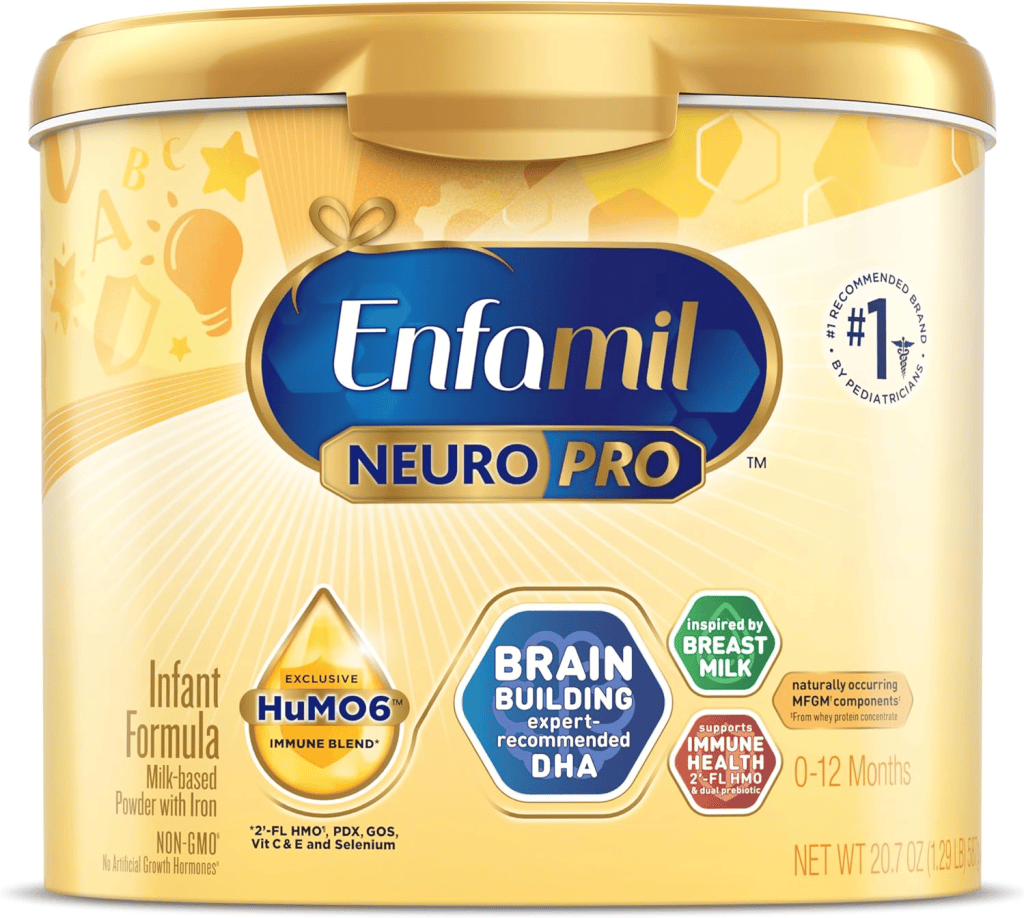
Recent concerns have emerged regarding the presence of per- and polyfluoroalkyl substances (PFAS) in baby formula products, including popular brands like Enfamil. This article explores the Enfamil PFAS lawsuit, the potential risks associated with PFAS exposure, and provides alternatives for parents seeking PFAS-free formula options.
The Enfamil PFAS Lawsuit
In 2024, a class-action lawsuit was filed against Mead Johnson, the manufacturer of Enfamil, alleging that their baby formula products contain harmful levels of PFAS. The lawsuit, initiated by California parents, claims that the company failed to disclose the presence of these chemicals in their products, potentially putting infants at risk.
Key Points of the Lawsuit:
- Independent testing commissioned by the plaintiffs reportedly found “dangerous levels of organic fluorine,” a marker for PFAS, in several Enfamil products.
- The lawsuit emphasizes that infants consuming Enfamil formula multiple times a day may be at increased risk of PFAS exposure.
- The complaint argues that Enfamil’s marketing practices portray the formula as safe and healthy, with no mention of PFAS or potential health risks.
Understanding PFAS and Their Risks
PFAS, or “forever chemicals,” are synthetic substances used in various consumer products due to their water- and stain-resistant properties. These chemicals persist in the environment and can accumulate in the human body over time.
Potential Health Risks:
- Developmental problems in infants and children
- Hormonal disruptions
- Increased risk of certain cancers
- Liver damage
- Immune system impairment
It’s important to note that infants are particularly susceptible to the harmful effects of PFAS and are among the most highly exposed populations. PFAS exposure can occur through placental transfer, environmental sources, and potentially through contaminated formula or water used to prepare formula.
Current Research on PFAS in Baby Formula
A recent study published in 2024 analyzed 17 powdered infant formulas for 10 different PFAS. The findings suggest that powdered infant formula may not be a significant source of PFAS exposure for most infants:
- Only one type of PFAS (PFOS) was detected in a single dairy-based formula at a reconstituted concentration of 8.9 ng/L.
- The study concluded that PFAS from powdered formula likely does not pose a significant risk to infants compared to other sources of exposure.
However, it’s crucial to note that this study had limitations, including potential technical constraints and the focus on specific types of PFAS. More research may be needed to fully understand the extent of PFAS contamination in baby formula products.
Alternatives to Enfamil: PFAS-Free Baby Formula Options
For parents concerned about potential PFAS exposure through baby formula, several alternatives are available that claim to be PFAS-free or have stricter manufacturing standards. While it’s important to consult with a pediatrician before making any changes to your baby’s diet, here are some options to consider:
1. Bobbie Organic Infant Formula
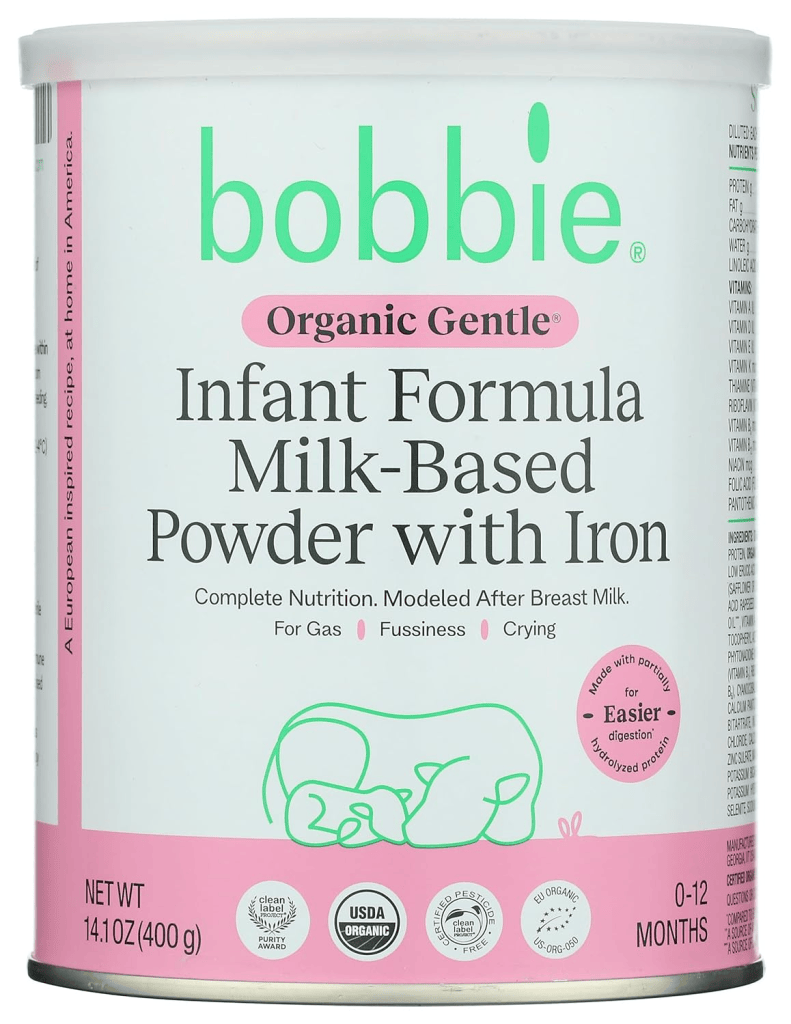
Bobbie is a US-based company that emphasizes transparency and claims to meet both US and EU standards for infant formula.
2. Baby’s Only Organic Formula

Baby’s Only is a US brand that offers organic formulas and emphasizes its commitment to avoiding harmful chemicals.

Holle is a European brand that adheres to stringent EU organic regulations and is often considered a healthy alternative to Enfamil.
When choosing an alternative formula, consider the following factors:
- Look for brands that explicitly state their products are PFAS-free or tested for PFAS
- Consider organic options, as they may have stricter regulations on chemical use
- Research the company’s manufacturing processes and transparency regarding ingredients
- Consult with your pediatrician to ensure the chosen formula meets your baby’s nutritional needs
Conclusion
The Enfamil PFAS lawsuit has raised important questions about the safety of baby formula and the presence of potentially harmful chemicals in infant products. While current research suggests that PFAS in powdered formula may not be a significant source of exposure for most infants, concerned parents may want to explore alternative options.
It’s crucial to remember that the most important factor in choosing a baby formula is ensuring it meets your infant’s nutritional needs. Always consult with a healthcare provider before making any changes to your baby’s diet. As more research emerges and regulations evolve, staying informed about the latest developments in baby formula safety will help parents make the best decisions for their children’s health.