In recent years, the presence of microplastics in our environment has become a growing concern. These tiny plastic particles, often less than 5mm in size, have been found in oceans, rivers, and even in the air we breathe. One particularly alarming discovery is the presence of microplastics in sea salt, a staple in kitchens worldwide. As consumers become more aware of the potential health risks associated with ingesting microplastics, the demand for sea salt without microplastics has increased.
Top 5 Sea Salt Brands Without Microplastics

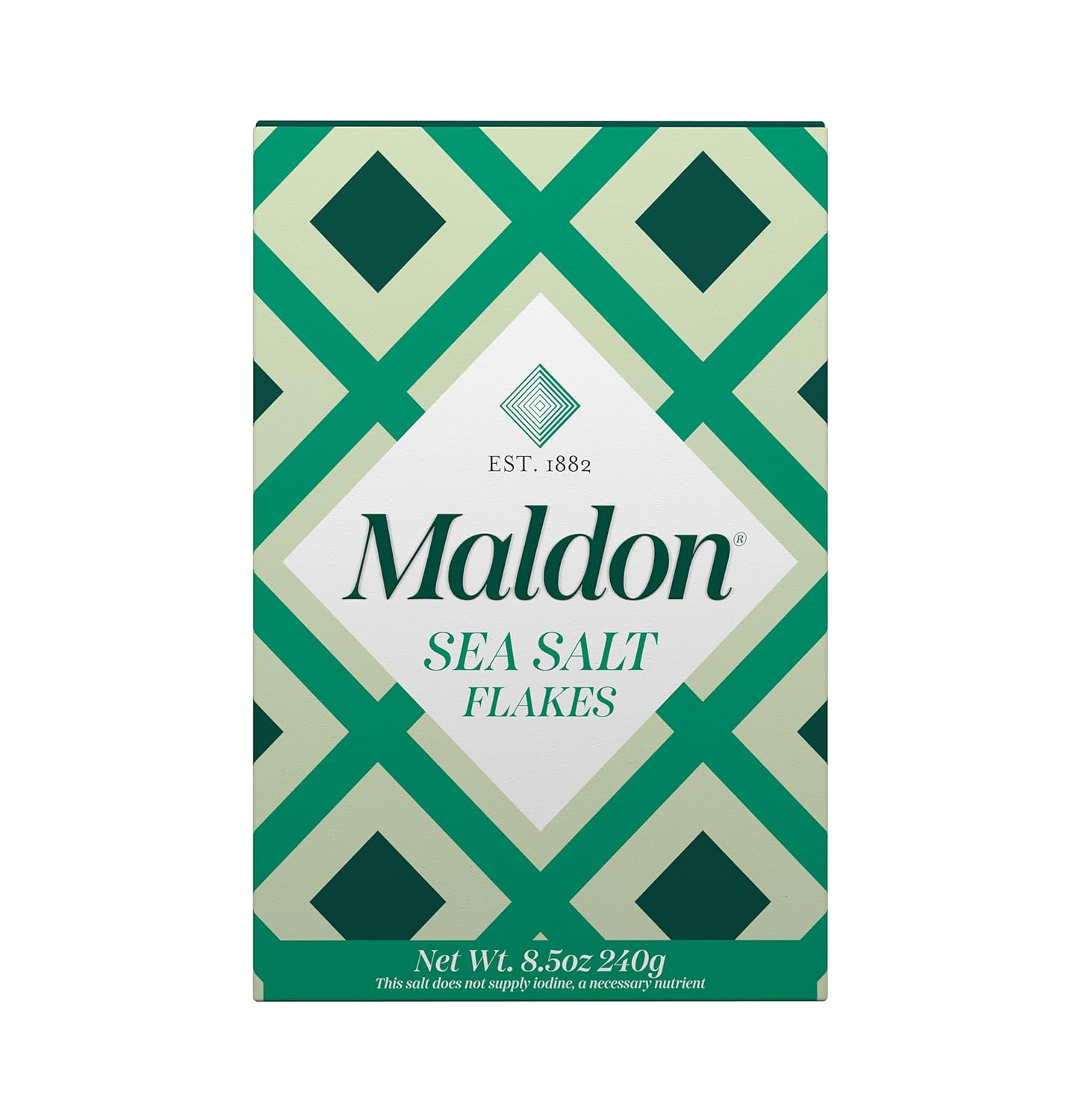
1. Maldon Sea Salt
Maldon Sea Salt, harvested in the coastal town of Maldon in Essex, England, is renowned for its unique pyramid-shaped crystals and exceptional flavor. The company takes great care in its harvesting process, ensuring that the salt is as pure as possible. Maldon Sea Salt has been tested and shown to contain minimal to no microplastics, making it a top choice for those looking to avoid these contaminants.

2. Jacobsen Salt Co.
Based in Netarts Bay, Oregon, Jacobsen Salt Co. produces high-quality sea salt using traditional methods. The company is committed to sustainability and purity, carefully monitoring the waters from which they harvest their salt. Their rigorous testing processes have consistently shown that their salt is free from microplastics, providing a clean and delicious option for consumers.

3. Selina Naturally Celtic Sea Salt
Selina Naturally’s Celtic Sea Salt is harvested from the coastal regions of Brittany, France, using ancient methods that preserve the natural mineral content of the salt. The company’s dedication to quality and purity means that their salt undergoes thorough testing to ensure it is free from microplastics. Celtic Sea Salt is a favorite among health-conscious consumers who value both taste and safety.

4. SaltWorks Ancient Ocean
SaltWorks, a leading producer of specialty salts, offers Ancient Ocean® Himalayan Pink Salt, which is harvested from ancient sea beds deep within the Himalayan Mountains. Unlike traditional sea salt, this pink salt is not exposed to modern environmental pollutants, including microplastics. This makes it an excellent choice for those seeking a pure, uncontaminated salt.

5. Redmond Real Salt
Redmond Real Salt comes from an ancient sea bed in Utah, USA, that has been protected from environmental contaminants for millions of years. The company’s commitment to purity and sustainability ensures that their salt is free from modern pollutants, including microplastics. Redmond Real Salt is a trusted brand for those who prioritize natural, clean products.
Want to learn more about microplastics? Sign up below:
How to Ensure You Have Salt Without Microplastic
While choosing reputable brands is a good start, there are additional steps you can take to ensure the sea salt you consume is without microplastic.
1. Research and Verify: Look for brands that provide transparency about their harvesting and testing processes. Reputable companies will often have this information readily available on their websites.
2. Check for Certifications: Some sea salt brands may carry certifications from third-party organizations that test for purity and contaminants, including microplastics.
3. Opt for Ancient or Mineral Salts: As mentioned earlier, salts harvested from ancient sea beds, such as Himalayan pink salt, are less likely to contain microplastics since they are not exposed to modern pollutants.
4. Stay Informed: Keep up with the latest research and reports on microplastics in sea salt. This information can help you make informed choices about the products you consume.
The Future of Salt and Microplastics
As awareness of microplastic pollution continues to grow, both consumers and producers are taking steps to address this issue. Increased demand for cleaner, safer sea salt is encouraging more companies to adopt rigorous testing and sustainable harvesting practices. Additionally, ongoing research and technological advancements may lead to new methods for detecting and removing microplastics from sea salt and other products.
Understanding Microplastics
What Are Microplastics?
Microplastics are tiny plastic particles that result from the breakdown of larger plastic debris, as well as microbeads used in some cosmetic and cleaning products. They are pervasive in the environment due to the widespread use of plastic and its slow degradation process. These particles are found in various ecosystems and have been detected in marine life, drinking water, and even in human tissues.
How Do Microplastics End Up in Sea Salt?
Sea salt is produced through the evaporation of seawater, which means that any contaminants present in the water can be concentrated in the salt. Since microplastics are prevalent in the oceans, they can easily find their way into sea salt during the harvesting process. Studies have shown that sea salt from various regions around the world contains microplastic particles, highlighting the widespread nature of this issue.
Health Implications of Microplastics
While research is still ongoing, there is growing concern about the potential health risks associated with ingesting microplastics. Some studies suggest that microplastics can cause inflammation and damage to the gastrointestinal tract, potentially leading to more severe health issues over time. Additionally, microplastics can carry harmful chemicals, such as bisphenol A (BPA) and phthalates, which are known to disrupt endocrine function and may contribute to various health problems, including cancer and reproductive issues.
Conclusion
Choosing sea salt without microplastics is an important step toward protecting your health and supporting environmentally responsible practices. By opting for reputable brands like Maldon Sea Salt, Jacobsen Salt Co., Selina Naturally Celtic Sea Salt, SaltWorks Ancient Ocean®, and Redmond Real Salt, you can enjoy the benefits of pure, delicious sea salt without the worry of ingesting harmful microplastics. Stay informed, do your research, and prioritize products that align with your commitment to a healthier, cleaner lifestyle.
Want to learn more about microplastics? Sign up below: