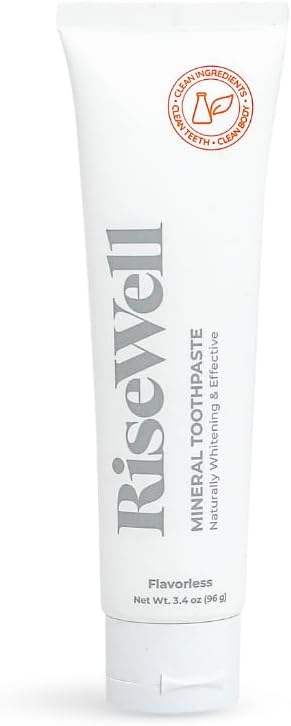
In recent months, RiseWell, a popular natural toothpaste brand, found itself at the center of a controversy involving allegations of PFAS contamination in its children’s toothpaste products. This article aims to provide a comprehensive overview of the situation, examining the claims, legal proceedings, and subsequent developments to offer clarity on this complex issue.
The Initial Allegations
In June 2024, a class action lawsuit was filed against RiseWell LLC in California federal court by plaintiffs Alana Watkins and Jo Ann Accardi. The lawsuit alleged that RiseWell children’s toothpaste, marketed as “natural” and chemical-free, contained per- and polyfluoroalkyl substances (PFAS), commonly known as “forever chemicals”.
Key Points of the Lawsuit:
- The plaintiffs claimed they purchased RiseWell children’s toothpaste believing it to be toxin-free and safe to swallow.
- Laboratory testing reportedly found over 188 parts per billion (ppb) of PFAS in the toothpaste.
- The lawsuit alleged that PFAS have been linked to various health issues, including increased cholesterol, decreased fertility, and elevated cancer risks.
Understanding PFAS
PFAS are a group of synthetic chemicals that have been widely used in various consumer products due to their water-resistant and non-stick properties. However, these chemicals have come under scrutiny in recent years due to their persistence in the environment and potential health risks.
Concerns About PFAS:
- Environmental persistence: PFAS break down extremely slowly, leading to accumulation in the environment.
- Bioaccumulation: These chemicals can build up in human and animal bodies over time.
- Potential health effects: Studies have suggested links between PFAS exposure and various health issues, though more research is needed to fully understand the long-term impacts.
The Legal Proceedings
The class action lawsuit against RiseWell sought to represent consumers who had purchased the company’s children’s toothpaste since June 11, 2020. The plaintiffs alleged multiple violations, including:
- California’s Consumers Legal Remedies Act
- Unfair Competition Law
- False Advertising Law
- New York’s General Business Law
- Fraud and fraudulent concealment
- Breach of express warranty
- Negligent misrepresentation
- Unjust enrichment
The lawsuit claimed that consumers paid a premium price for RiseWell toothpaste (around $12 per tube) compared to the average toothpaste cost of $4, based on the belief that it was a natural, toxin-free product.
Unexpected Turn of Events
In a surprising development, the lawsuit against RiseWell was voluntarily dismissed by the plaintiffs in July 2024. This dismissal came without any settlement or payment to the plaintiffs, as confirmed by RiseWell CEO John Estrada.
Reasons for Dismissal:
While the exact reasons for the voluntary dismissal were not explicitly stated in public records, several factors may have contributed to this decision:
- Third-party testing results: Independent testing reportedly found no PFAS in RiseWell toothpaste.
- Lack of evidence: The plaintiffs may have been unable to substantiate their claims with further evidence.
- RiseWell’s response: The company likely provided compelling information or documentation to refute the allegations.
RiseWell’s Response and Transparency Efforts
Following the dismissal of the lawsuit, RiseWell took steps to address consumer concerns and maintain transparency:
- Batch testing: The company offered to share test results for specific batches of toothpaste upon request.
- Public statements: RiseWell CEO John Estrada made public statements affirming the safety and quality of their products.
- Continued commitment to natural ingredients: The company reaffirmed its dedication to producing natural, effective oral care products.
Key Takeaways:
- Verify claims independently: While lawsuits can bring attention to potential issues, they do not automatically prove guilt or wrongdoing.
- Consider motivations: It’s essential to examine the potential motivations behind lawsuits, including financial incentives for law firms specializing in class action cases.
- Seek multiple sources: Relying on a single source of information can lead to incomplete or biased understanding of complex issues.
- Follow up on developments: Initial allegations may not reflect the final outcome of a situation, as demonstrated by the voluntary dismissal of the RiseWell lawsuit.
The Broader Context: PFAS in Consumer Products
The RiseWell controversy is part of a larger ongoing discussion about the presence of PFAS in everyday consumer products. In recent years, numerous companies across various industries have faced scrutiny and legal challenges related to PFAS contamination.
Other PFAS-Related Lawsuits:
- Band-Aid adhesive bandages
- Kirkland baby wipes
- BIC razors
- Health-Ade kombucha
These cases highlight the growing concern among consumers about the potential presence of harmful chemicals in products marketed as natural or safe.
The Challenges of “Natural” Product Claims
The RiseWell case also brings attention to the complexities surrounding “natural” product claims in the consumer goods industry. With no standardized definition of “natural” in many product categories, companies face challenges in marketing their products while ensuring transparency and meeting consumer expectations.
Considerations for Consumers:
- Understand label claims: Recognize that terms like “natural” may not have strict regulatory definitions.
- Research ingredients: Familiarize yourself with common ingredients in product categories of interest.
- Look for certifications: Third-party certifications can provide additional assurance of product quality and safety.
- Contact companies directly: Many companies, like RiseWell, are willing to provide detailed information about their products upon request.
Conclusion
The RiseWell PFAS controversy serves as a reminder of the complex landscape of consumer product safety, marketing claims, and legal challenges in the natural products industry. While the initial allegations against RiseWell garnered significant attention, the subsequent dismissal of the lawsuit highlights the importance of thorough investigation and critical thinking when evaluating product safety claims.
As consumers become increasingly conscious of the potential presence of harmful chemicals in everyday products, companies must prioritize transparency, rigorous testing, and clear communication to maintain trust and credibility. The resolution of the RiseWell case demonstrates that when companies are proactive in addressing concerns and providing evidence of product safety, they can successfully navigate and overcome challenges to their reputation.
Ultimately, the RiseWell PFAS controversy underscores the ongoing need for vigilance, open dialogue, and collaboration between consumers, companies, and regulatory bodies to ensure the safety and integrity of the products we use daily. By learning from this case and applying its lessons, we can work towards a marketplace where informed consumers can confidently choose products that align with their values and prioritize their health and well-being.