Introduction
Nalgene bottles are a popular choice for outdoor enthusiasts, athletes, and eco-conscious consumers. Known for their durability and reusable nature, these bottles offer a sustainable alternative to single-use plastics. But as concerns about microplastics in consumer products rise, we should examine whether Nalgene bottles contain microplastics and if they contribute to microplastic pollution.
This article focuses on whether Nalgene bottles have microplastics, their potential health impacts, and what you can do to mitigate any risks.
Want to learn more about microplastics? Sign up below:
Understanding Microplastics
What Are Microplastics?
Microplastics are tiny plastic particles less than 5 millimeters in size. They originate from various sources, including the breakdown of larger plastic items, synthetic fibers from clothing, and industrial processes. These particles are pervasive in the environment, found in oceans, rivers, soil, and even the air we breathe.
Why Are Microplastics a Concern?
Microplastics pose significant environmental and health risks. They can be ingested by marine life, leading to physical harm and chemical contamination. When humans consume seafood or other products contaminated with microplastics, these particles can enter our bodies, potentially causing health issues. Research suggests that microplastics can lead to inflammation, disrupt endocrine function, and introduce harmful chemicals into the body.
Nalgene Bottles & Microplastics
Materials Used in Nalgene Bottles
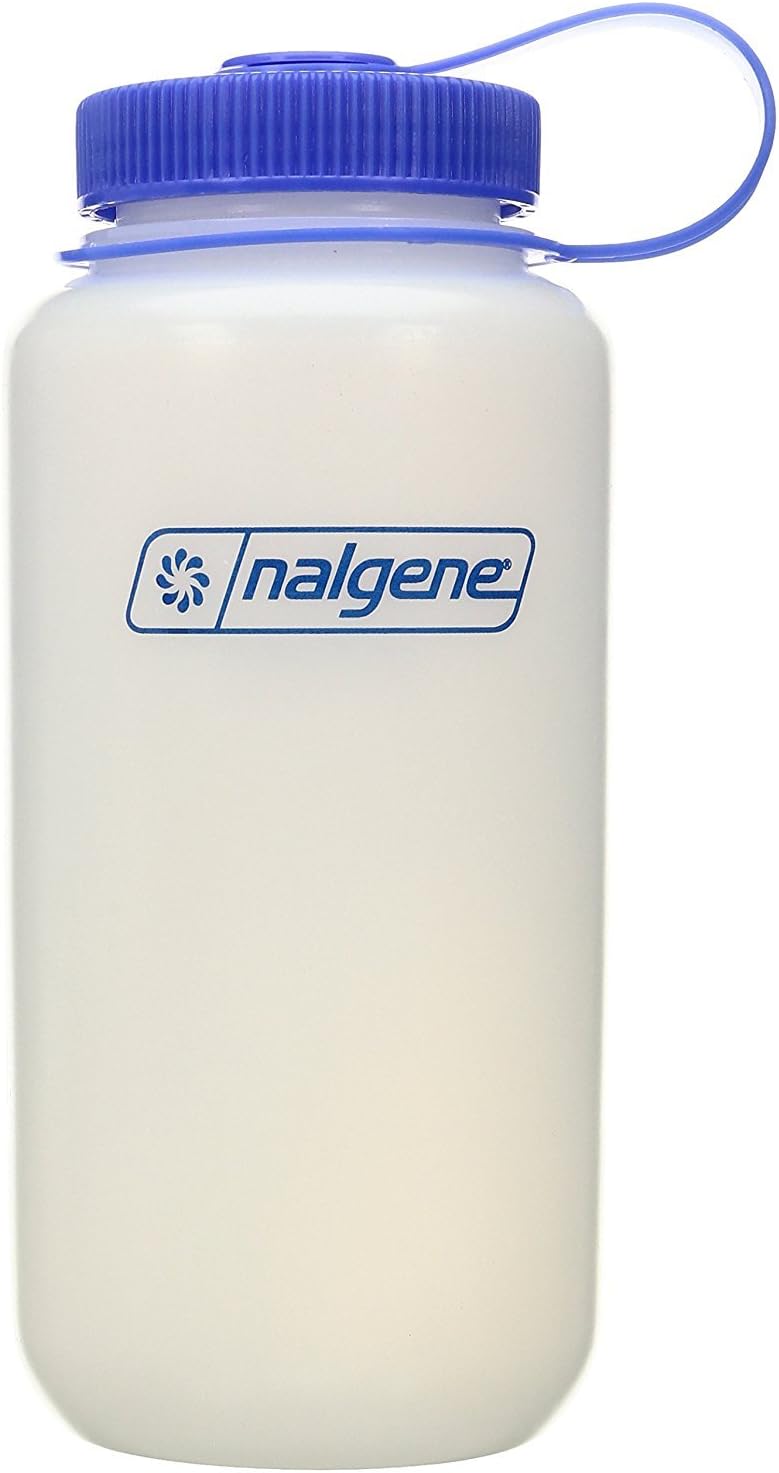
Nalgene bottles are primarily made from two types of plastic: Tritan and high-density polyethylene (HDPE). Tritan, a BPA-free plastic, is commonly used for clear Nalgene bottles, while HDPE is used for opaque versions. Both materials are chosen for their durability, resistance to odors, and ability to withstand high temperatures.
Usage and Durability
Nalgene bottles are designed for repeated use, which helps reduce the reliance on single-use plastics. They are popular for their robustness, making them ideal for outdoor activities, sports, and everyday hydration. However, frequent use and exposure to varying temperatures can cause wear and tear, potentially leading to the release of microplastics.
Do Nalgene Bottles Contain Microplastics?
Manufacturing and Initial Quality
During manufacturing, plastic products can sometimes incorporate microplastics, either as byproducts or contaminants. Nalgene bottles, made from high-quality plastics, are designed to minimize such contamination. However, the production process cannot completely eliminate the possibility of microplastic presence.
Wear and Tear Over Time
Research has shown that plastic products, including reusable bottles, can release microplastics as they age and degrade. Factors such as exposure to heat, UV light, and physical abrasion can accelerate this process. Studies indicate that the longer a plastic product is used, the higher the likelihood it will shed microplastic particles.
Specific Studies on Nalgene Bottles
Few studies focus explicitly on Nalgene bottles and microplastics. However, general research on reusable plastic bottles suggests that they can release microplastics, especially when exposed to high temperatures or mechanical stress. While Nalgene bottles are designed to be more resilient than many alternatives, they are not entirely immune to this issue.
Health Risks Associated with Microplastic Ingestion
Potential Health Impacts
Ingesting microplastics can lead to several health concerns. These particles can cause physical damage to tissues, lead to inflammatory responses, and introduce toxic chemicals into the body. Some studies suggest that microplastics can carry harmful bacteria and pollutants, which may exacerbate their impact on human health.
Specific Risks from Reusable Plastic Bottles
While reusable plastic bottles, including Nalgene, are generally considered safe, prolonged use and improper care can increase the risk of microplastic ingestion. Consuming beverages stored in degraded or damaged bottles may elevate the intake of microplastics, posing potential health risks over time.
Want to learn more about microplastics? Sign up below:
Reducing Microplastic Exposure from Nalgene Bottles
Proper Care and Maintenance
To minimize the risk of microplastic release from Nalgene bottles, it’s essential to care for them properly. Avoid exposing the bottles to extreme temperatures, such as leaving them in a hot car or placing them in the freezer. Hand washing with mild detergents, rather than using a dishwasher, can also reduce wear and tear.
Regular Replacement
Consider replacing your Nalgene bottle if it shows signs of significant wear, such as scratches, cracks, or cloudiness. Regularly inspecting the bottle for damage and replacing it when necessary can help minimize the potential for microplastic contamination.
Alternative Materials
For those concerned about microplastics, exploring alternatives to plastic bottles can be a viable option. Stainless steel, glass, and silicone bottles offer durable, reusable options without the same risks associated with plastic degradation.
Research and Future Directions
Ongoing Studies
The scientific community continues to investigate the prevalence and impact of microplastics in various products, including reusable bottles. More comprehensive studies specifically targeting Nalgene bottles could provide clearer insights into their safety and the best practices for their use.
Innovations in Materials
Researchers are also exploring new materials and manufacturing processes to reduce microplastic contamination. Advances in biodegradable plastics, improved recycling techniques, and better product design could help mitigate the release of microplastics in the future.
Conclusion
Nalgene bottles, made from high-quality plastics like Tritan and HDPE, are designed to be durable and reusable, reducing the environmental impact of single-use plastics. However, like all plastic products, they are not entirely free from the risk of microplastic contamination. Proper care, regular replacement, and consideration of alternative materials can help minimize these risks. As research continues, we can hope for improved understanding and solutions to address the pervasive issue of microplastics in our environment and daily lives.
Want to learn more about microplastics? Sign up below:
Leave a Reply