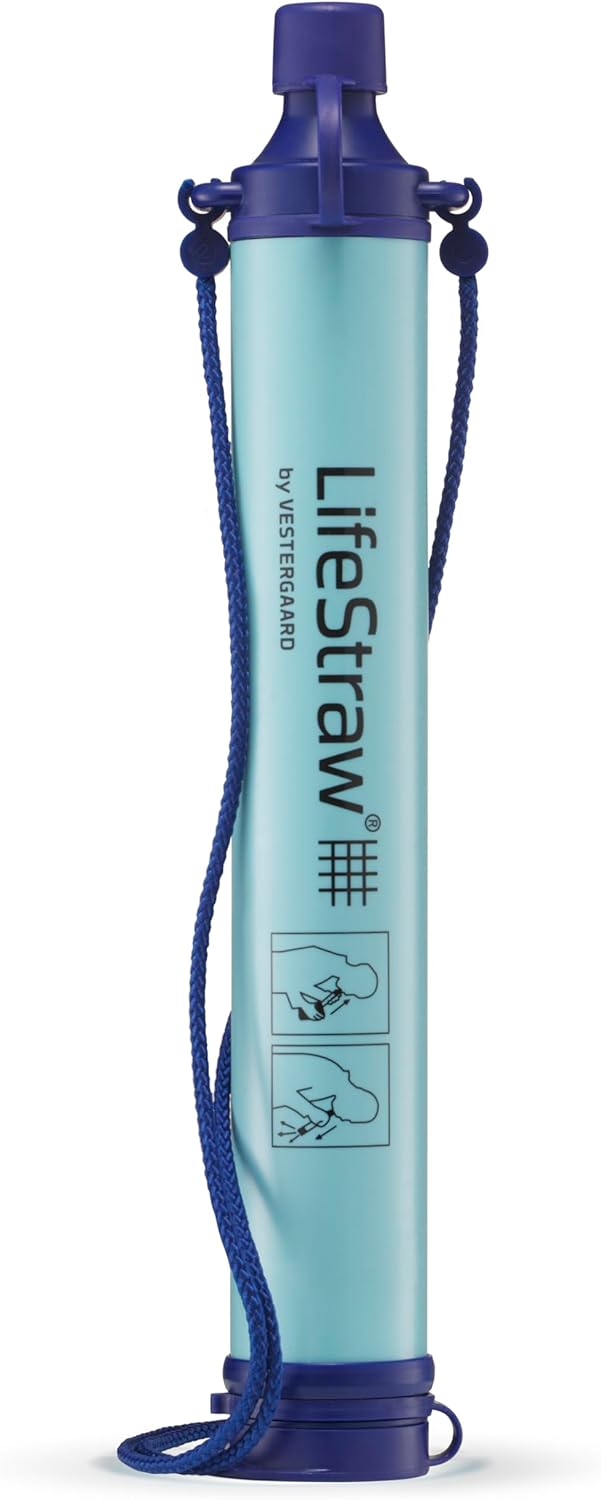
LifeStraw is a popular portable water filter that has won numerous awards for its innovative design and ability to provide clean, safe drinking water in emergency situations and outdoor adventures. But with growing concerns about microplastics and PFAS contaminating our water supplies, many people are wondering if LifeStraw can effectively filter out these potentially harmful pollutants.
Want to learn more about microplastics? Sign up below:
What are Microplastics and PFAS?
Microplastics are tiny plastic particles less than 5mm in size that come from the breakdown of larger plastic debris or are intentionally added to products like cosmetics. They have been found in freshwater, marine environments, soil, air, food, and even drinking water around the world.
PFAS (per- and polyfluoroalkyl substances) are a group of man-made chemicals used in various industrial and consumer products since the 1940s. They are resistant to heat, water, and oil, making them useful for non-stick cookware, stain-resistant fabrics, food packaging, and firefighting foam. However, PFAS are highly persistent in the environment and human body, earning them the nickname “forever chemicals”.
Both microplastics and PFAS have raised health concerns due to their ubiquitous presence and potential toxicity. Animal studies suggest microplastics may cause particle toxicity, accumulate in organs, and release chemical additives or adsorbed pollutants. PFAS exposure has been linked to various health effects including cancer, immune system issues, endocrine disruption, and developmental problems.
LifeStraw’s Filtration Capabilities
The original LifeStraw personal water filter uses a hollow fiber membrane to remove contaminants down to 0.2 microns in size, which the company claims removes 99.999999% of bacteria, 99.999% of parasites, and 99.999% of microplastics, dirt, sand, and cloudiness. This pore size is small enough to trap most microplastics, which are generally defined as being smaller than 5mm.
LifeStraw also offers a range of home water filtration products that are specifically designed to reduce additional contaminants like lead, mercury, chemicals, and PFAS. The LifeStraw Home pitcher and dispenser use a two-stage filtration process with a membrane microfilter and an activated carbon + ion exchange filter.
The activated carbon filter in LifeStraw Home products is certified to NSF standards for reducing lead and other heavy metals, chemicals including PFAS, pesticides and herbicides, and chlorine. It meets the NSF P473 standard for reducing PFOA and PFOS, two of the most well-studied PFAS compounds.
Third-Party Testing and Reviews
To substantiate their filtration claims, LifeStraw shares detailed lab reports and certifications on their website. The LifeStraw membrane microfilter has been independently lab tested to meet US EPA and NSF P231 standards for bacteria and parasite removal. The LifeStraw Home filters are certified by IAPMO to multiple NSF/ANSI standards for contaminant reduction.
While there are few direct tests of LifeStraw’s microplastic removal, the 0.2 micron pore size and NSF P231 certification provide strong evidence that it can filter the majority of microplastics. A study by Orb Media found that LifeStraw removed 99.999% of microplastics, supporting the company’s claims.
User reviews of LifeStraw products are generally very positive, with many people reporting improved water taste and peace of mind when traveling or in emergency situations. The LifeStraw Home pitcher receives praise for its sleek design, thorough filtration, and long filter life, though some note that it filters slowly.
Limitations and Considerations
While LifeStraw appears highly effective at removing microplastics, PFAS, and other contaminants, no filter is perfect. LifeStraw has some limitations to keep in mind:
- The LifeStraw personal filter straw and water bottle filters do not remove chemicals, heavy metals, viruses, or salt. They are designed for backcountry and emergency use, not everyday tap water filtration.
- LifeStraw Home filters have a limited capacity and need to be replaced regularly – after 40 gallons for the carbon filter and 264 gallons for the membrane microfilter. Forgetting to change filters on time could reduce effectiveness.
- No filter can remove 100% of PFAS as there are thousands of compounds in this class of chemicals. The LifeStraw Home filters are certified for PFOA and PFOS reduction but may let other PFAS through.
- LifeStraw products are made of plastic, which seems counterintuitive for reducing microplastic pollution. However, the company does offer a glass version of the Home pitcher. Proper care and disposal of all filters is important.
- Home filtration does not address the larger issue of microplastics and PFAS contaminating the environment. Further research and source reduction of these pollutants is still needed.
The Bottom Line
Based on their certified lab testing, detailed product specifications, and positive user reviews, LifeStraw appears to be a highly effective and reliable option for filtering microplastics and PFAS from drinking water. The LifeStraw personal filter removes 99.999% of microplastics, while the LifeStraw Home filters are certified to NSF standards for PFOA, PFOS, and other chemical reduction.
However, LifeStraw filters have some limitations in terms of contaminant removal and filter lifespan. Following the manufacturer’s instructions for use and replacement is key to maintaining optimal filtration.
For those concerned about microplastics, PFAS, and other pollutants in their water, LifeStraw offers a range of filtration solutions for home and on-the-go hydration. But it’s important to remember that no filter is a complete solution to these complex environmental challenges. Supporting research, smart policies, and individual actions to reduce plastic and PFAS pollution at the source are also critical for protecting clean water and health.
Want to learn more about microplastics? Sign up below: