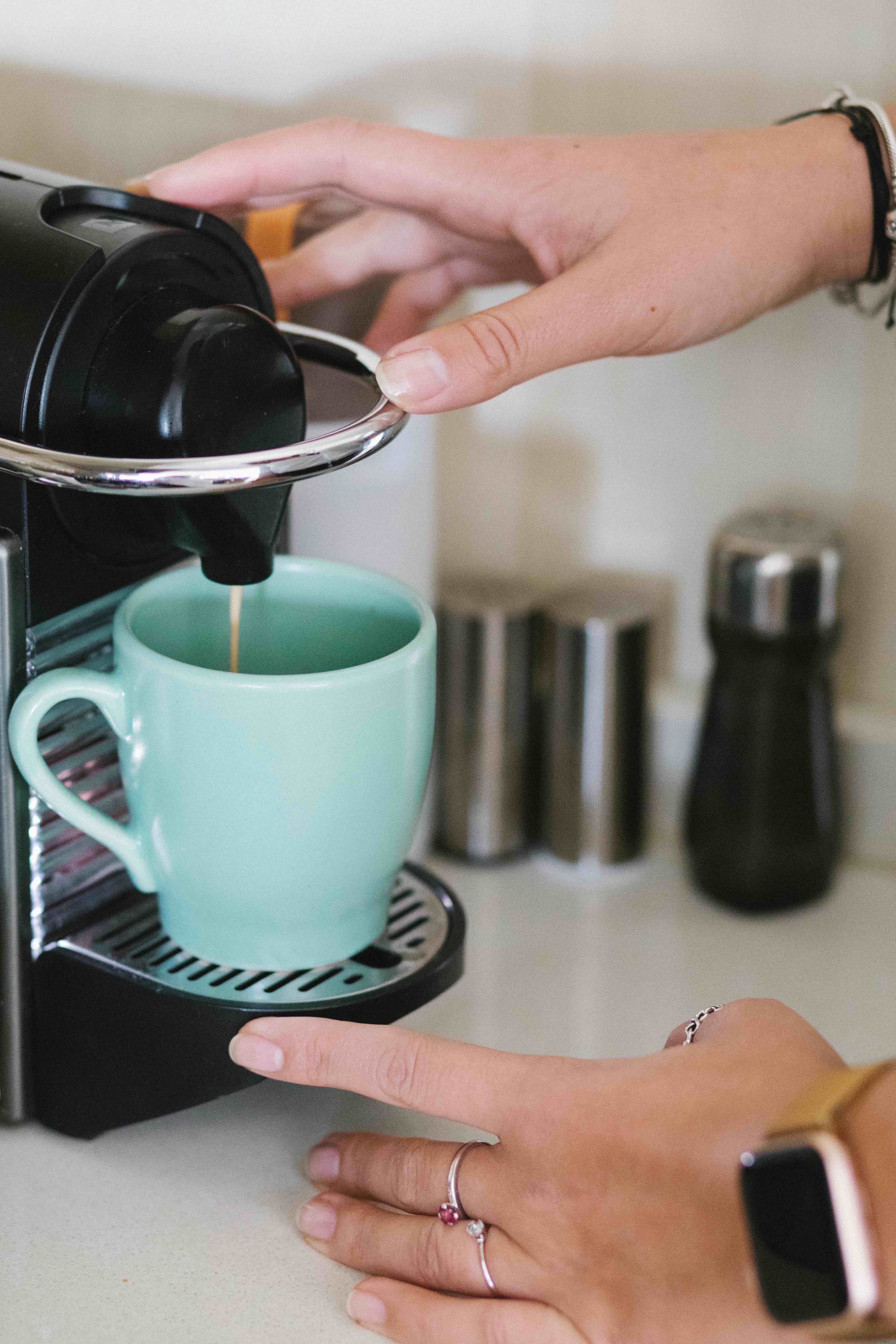
Single-serve coffee pods like Keurig K-Cups have exploded in popularity due to their convenience. But concerns have been raised about the potential health risks posed by the plastic used in these pods. One major question is whether K-Cups are leaching microplastics into the coffee they brew.
What are Microplastics?
Microplastics are tiny plastic particles less than 5mm in size. They can come from the breakdown of larger plastic items or be intentionally manufactured for use in products like cosmetics. Microplastics have been found in oceans, rivers, soil, and even in the air we breathe. They have also been detected in food, drinking water, and human blood.
Microplastics are concerning because they can persist in the environment for hundreds of years. They can also absorb toxins and release them when ingested by wildlife and humans. Exposure to microplastics has been linked to inflammation, cell damage, and hormone disruption.
The Plastic in K-Cups
Most K-Cups are made from a type of plastic known as #7 or “other”. This is a catch-all category that can include various plastics like polystyrene or polypropylene. Keurig, the maker of K-Cups, considers the exact plastic blend they use to be proprietary information.
While K-Cups are BPA-free, this does not mean they are safe. “BPA-free” has become a popular marketing term, but many BPA alternatives like BPS have similar hormone-disrupting effects. Even plastics that are considered food-safe can still leach chemicals, especially when exposed to high heat.
When a K-Cup is used to brew coffee, near-boiling water passes through the plastic pod. This process creates ideal conditions for chemicals to leach out of the plastic and into the hot coffee. While the paper filter may limit some plastic contact, it does not eliminate it entirely.
Want to learn more about microplastics? Sign up below:
Lack of Transparency and Regulation
A major issue with evaluating the safety of K-Cups is the lack of transparency from manufacturers about what plastics they contain. Without this information, it’s difficult for researchers to assess what chemicals may be leaching into coffee and what their long-term health impacts could be.
There is also little regulation around what chemicals are allowed in food packaging plastics. For example, the FDA has banned BPA in baby bottles but still allows it in other food containers. Plastic manufacturers can replace concerning chemicals with new ones that have not been well-studied.
Even if a particular plastic is deemed safe, issues can arise when products are used in unintended ways. Keurig has stated that some of their pods are recyclable if disassembled and cleaned by the consumer. However, it’s unlikely that most people purchasing pods for convenience will take these extra steps. Pods thrown in the trash will break down into microplastics in the environment.
Environmental Impact
In addition to potential health risks, the widespread use of single-serve coffee pods has created an environmental disaster. In 2014, enough K-Cups were sold to circle the globe over 10 times. The majority of these pods ended up in landfills where they will take up to 500 years to break down into microplastics that contaminate soil and water.
Some cities like Hamburg, Germany have banned coffee pods in government buildings due to their environmental impact. Keurig has pledged to make all their pods recyclable by 2020, but it remains to be seen how effective this will be. Recycling K-Cups is challenging due to their small size and the need to separate the plastic, aluminum, and organic matter.
Even the inventor of K-Cups, John Sylvan, has expressed regret over their environmental toll. In an interview he stated, “I feel bad sometimes that I ever did it”.
What Can Consumers Do?
While more research is needed on the health impacts of K-Cups, there are steps consumers can take to reduce their risks and environmental impact:
- Use reusable filters and fill them with your own coffee grounds instead of disposable pods
- If using pods, disassemble and recycle them according to local guidelines
- Choose pods made from compostable materials rather than plastic
- Brew coffee with alternative methods like French press, pour over, or cold brew
- Support proposed regulations on single-use plastics and demand greater transparency from manufacturers
Ultimately, solving the microplastic crisis will require action from companies and governments, not just changes in individual behavior. However, the choices we make as consumers can collectively push the industry in a more sustainable direction.
As the evidence mounts about the threats posed by microplastics, it’s clear we need to rethink our relationship with disposable plastic products. Finding alternatives to single-serve coffee pods is one small but important step in protecting our health and the planet.
References
- https://www.tayst.com/blogs/whats-new/what-s-wrong-with-plastic-k-cups
- https://www.mcgill.ca/oss/article/controversial-science-food-health-household-products-news/tempest-k-cup
- https://www.reddit.com/r/keurig/comments/19a69jv/are_we_consuming_micro_plastics_when_we_use/
- https://www.hollyroser.com/post/why-k-cups-are-bad-for-your-health-and-the-environment/
- https://news.ucr.edu/articles/2023/01/25/prof-pours-cold-water-coffee-pod-controversy