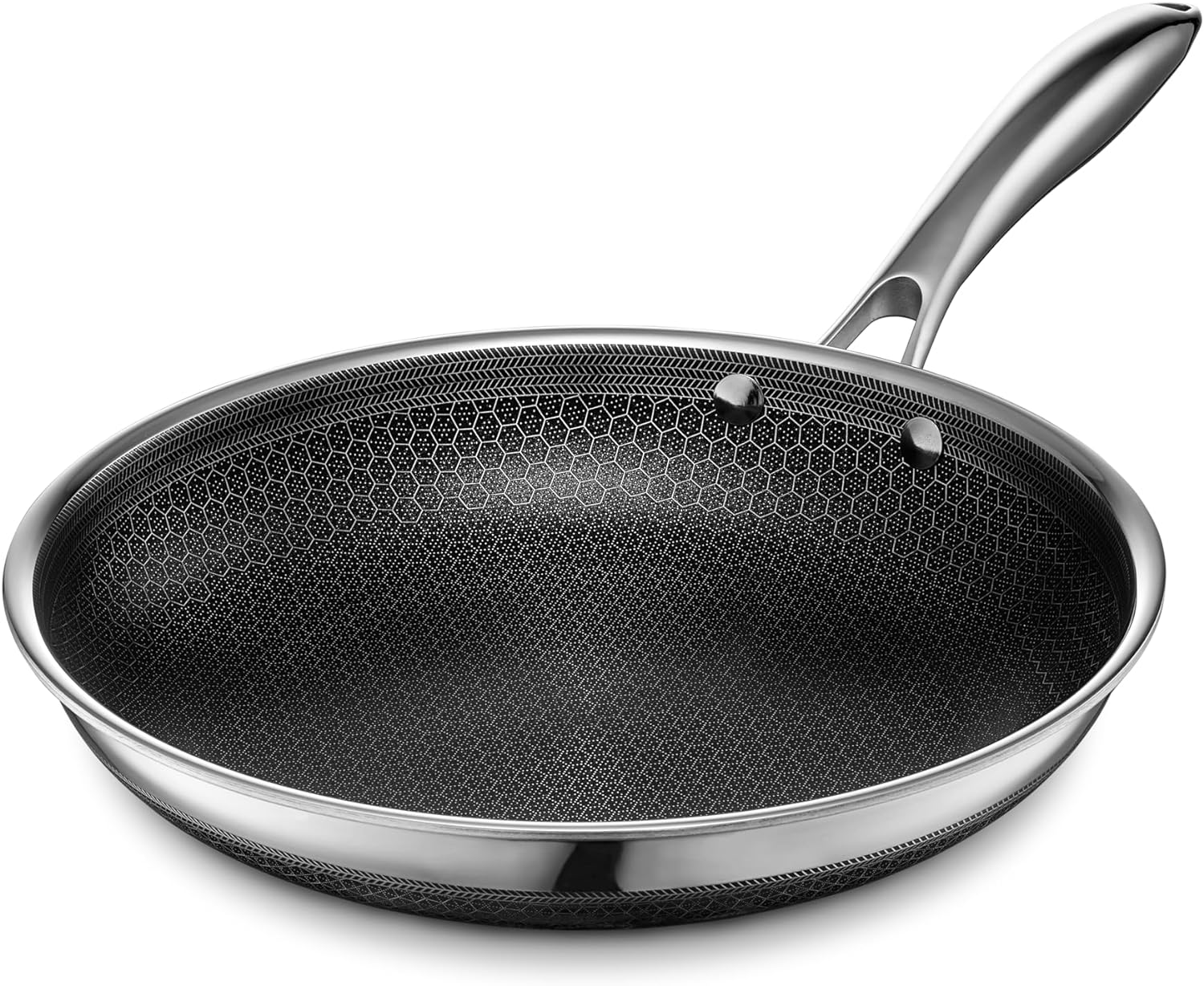
HexClad cookware has gained popularity in recent years for its unique hybrid design that combines stainless steel and non-stick properties. However, concerns have been raised about whether HexClad products contain per- and polyfluoroalkyl substances (PFAS), a group of chemicals linked to potential health risks. In this article, we’ll explore the controversy surrounding HexClad and PFAS, and examine the evidence to determine if HexClad cookware is truly PFAS-free.

What are PFAS?
PFAS are a class of synthetic chemicals that have been widely used in consumer products since the 1940s due to their water and oil-repellent properties. These “forever chemicals” are highly persistent in the environment and can accumulate in the human body over time. Exposure to PFAS has been linked to various health concerns, including cancer, fertility issues, and developmental problems.
The HexClad PFAS Controversy
In 2023, a class action lawsuit was filed against HexClad Cookware Inc., alleging that the company deceptively marketed its products as environmentally friendly and free of harmful chemicals, despite coating them with polytetrafluoroethylene (PTFE), a type of PFAS. The plaintiffs argue that while HexClad acknowledges using PTFE, it falsely claims that its cookware is free of PFAS.
HexClad has maintained that its cookware is safe and does not contain harmful chemicals. On their website, they state that their products are “PFOA-free” and “non-toxic”. However, critics argue that these claims are misleading, as PFOA is just one type of PFAS, and there are many other PFAS compounds that could be present in the cookware.
Evidence from Independent Testing
To date, there have been no published independent studies specifically testing HexClad cookware for the presence of PFAS. However, research has shown that PTFE, the non-stick coating used by HexClad, can break down at high temperatures and release PFAS into the environment.
A 2022 systematic evidence map published by the National Institutes of Health identified over 150 PFAS compounds that have been studied for their potential health effects. While the study did not specifically mention HexClad, it highlights the growing concern over the widespread use of PFAS in consumer products.
Consumer Experiences and Concerns
Many consumers have shared their experiences with HexClad cookware online, with mixed reviews. Some praise the cookware’s performance and durability, while others have reported issues with the non-stick coating deteriorating or flaking off over time.
Several users have expressed concerns about the potential presence of PFAS in HexClad products, citing the class action lawsuit and the lack of clear information from the company. Some have chosen to avoid HexClad altogether due to these concerns, opting for alternative cookware options that are explicitly marketed as PFAS-free.
Regulatory Actions and Industry Response
In recent years, there has been growing regulatory pressure to address the risks associated with PFAS. The U.S. Environmental Protection Agency (EPA) has developed an action plan to understand and address PFAS contamination, including developing new analytical methods and tools to detect these chemicals.
Some cookware manufacturers have responded to consumer concerns by developing PFAS-free alternatives. For example, some companies now offer ceramic or enamel-coated cookware as a safer option. However, the performance and durability of these alternatives compared to traditional non-stick cookware remain a topic of debate.
Conclusion
Based on the available evidence, it is difficult to definitively conclude whether HexClad cookware is entirely PFAS-free. While the company claims that its products do not contain harmful chemicals, the use of PTFE in their non-stick coating raises concerns about the potential presence of PFAS.
Until independent testing is conducted specifically on HexClad products, consumers will have to weigh the potential risks and benefits of using this cookware. Those who are particularly concerned about PFAS exposure may choose to opt for alternative cookware options that are explicitly marketed as PFAS-free.
As the regulatory landscape evolves and more research is conducted on the health effects of PFAS, it is likely that the debate surrounding HexClad and other non-stick cookware will continue. Consumers should stay informed about the latest developments and make decisions based on their individual priorities and risk tolerance.