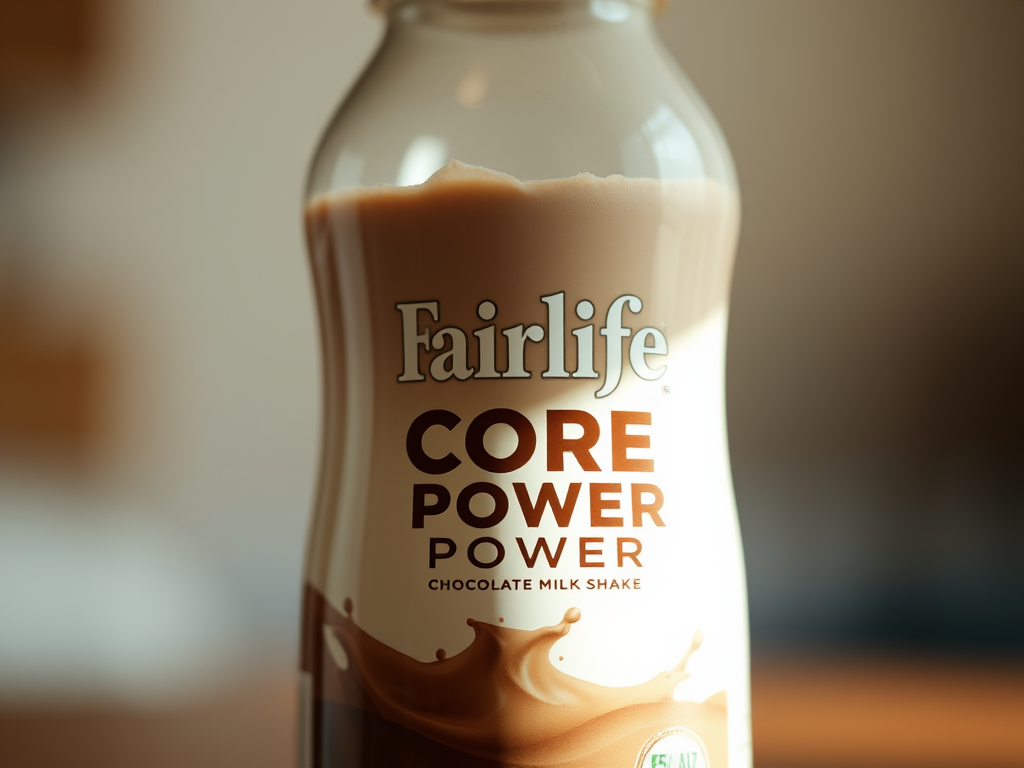
Recent testing by Consumer Reports has revealed concerning levels of microplastics and phthalates in Fairlife’s Core Power High Protein Chocolate Milk Shake. This discovery has raised alarms about potential plastic contamination in popular milk products and its implications for consumer health. Let’s dive into the details of this issue and explore what it means for consumers.
Understanding Microplastics and Phthalates
Microplastics are tiny plastic particles less than 5mm in size that have become ubiquitous environmental pollutants. Phthalates are chemicals added to plastics to increase their flexibility and durability. Both substances have raised significant health concerns in recent years.
What Are Microplastics?
Microplastics come from various sources:
- Breakdown of larger plastic items
- Microbeads in personal care products
- Synthetic fibers from clothing
- Industrial processes
These minuscule particles have been found in air, water, soil, and now, increasingly in food products.
What Are Phthalates?
Phthalates are a class of chemicals used as plasticizers. They’re found in many consumer products, including:
- Food packaging
- Personal care items
- Children’s toys
- Medical devices
Phthalates can leach out of plastics and contaminate food and beverages.
The Fairlife Microplastics Discovery
Consumer Reports recently conducted testing on various food products for plastic contamination. Their findings regarding Fairlife’s Core Power High Protein Chocolate Milk Shake were particularly alarming.
Key Findings
- Fairlife’s Core Power shake had among the highest levels of phthalates of any product tested
- The levels found were significantly higher than what’s typically considered safe for consumption
- This discovery suggests potential widespread contamination issues in the product line
Health Risks Associated with Microplastics and Phthalates
The presence of these substances in food products is concerning due to their potential health impacts.
Microplastics Health Risks
While research is ongoing, studies have linked microplastic exposure to:
- Inflammation
- Oxidative stress
- Disruption of the gut microbiome
- Potential carcinogenic effects
Phthalates Health Risks
Phthalates are known endocrine disruptors. Even at low levels, they’ve been associated with:
- Reproductive issues
- Developmental problems in children
- Hormonal imbalances
- Increased risk of certain cancers
How Microplastics End Up in Milk Products
Understanding the contamination pathway is crucial for addressing this issue. There are several ways microplastics can infiltrate milk products like Fairlife’s Core Power shakes:
Packaging Contamination
Plastic bottles and containers used for milk products can shed microplastic particles, especially when exposed to heat or sunlight.
Processing Equipment
Plastic components in milk processing equipment, such as tubing, filters, and storage tanks, can release microplastics into the product.
Environmental Contamination
Microplastics in water sources or animal feed can be ingested by dairy cows and potentially end up in milk.
Airborne Contamination
Microplastic particles in the air can settle on exposed milk or ingredients during processing.
Fairlife’s Response and Industry Implications
Following the Consumer Reports findings, Fairlife faces significant pressure to address the contamination issue.
Fairlife’s Initial Statement
The company has acknowledged the test results and stated they are investigating the matter. They’ve emphasized their commitment to food safety and quality.
Potential Industry-Wide Impact
This discovery could have far-reaching implications for the dairy industry:
- Increased scrutiny of plastic use in milk processing and packaging
- Calls for more rigorous testing protocols
- Potential regulatory changes to address plastic contamination in food
Consumer Concerns and Actions
The revelation of microplastics in Fairlife products has understandably raised concerns among consumers.
What Consumers Can Do
If you’re worried about microplastic exposure from milk products:
- Choose glass-packaged milk when possible
- Opt for less processed milk options
- Consider plant-based milk alternatives
- Stay informed about product recalls and updates
Reading Labels and Making Informed Choices
While microplastics aren’t listed on product labels, you can:
- Look for products with minimal plastic packaging
- Choose brands committed to sustainability and reducing plastic use
- Support companies transparent about their testing and quality control processes
The Broader Issue of Plastic Contamination in Food
The Fairlife microplastics discovery is part of a larger problem of plastic contamination in our food supply.
Other Foods at Risk
Studies have found microplastics in various foods, including:
- Seafood
- Bottled water
- Fruits and vegetables
- Processed foods
Environmental and Health Implications
The pervasiveness of microplastics in our food chain raises concerns about:
- Long-term health effects of chronic low-level exposure
- Bioaccumulation of plastics in the food chain
- Environmental impact on ecosystems and wildlife
Reducing Microplastic Exposure: Tips for Consumers
While it’s impossible to completely avoid microplastics, there are steps you can take to reduce your exposure:
- Minimize use of plastic food containers and water bottles
- Avoid heating food in plastic containers
- Choose fresh, unpackaged foods when possible
- Filter your drinking water
- Reduce consumption of highly processed foods
The Role of Regulation in Addressing Microplastic Contamination
Current regulations around microplastics in food are limited. However, the Fairlife case may prompt changes:
Potential Regulatory Actions
- Establishing limits for microplastic content in food products
- Requiring testing and reporting of microplastic levels
- Implementing stricter controls on plastic use in food processing and packaging
International Efforts
Some countries and regions are taking the lead in addressing this issue:
- The European Union is considering new regulations on microplastics in food
- California has implemented microbeads bans and is exploring further measures
The Future of Food Safety and Plastic Use
The Fairlife microplastics issue highlights the need for systemic changes in how we produce, package, and consume food.
Innovations in Packaging
Companies are exploring alternatives to plastic packaging, including:
- Biodegradable materials
- Edible packaging
- Reusable container systems
Advancements in Testing and Detection
Improved methods for detecting and quantifying microplastics in food are being developed, which could lead to better monitoring and control.
Shifting Consumer Preferences
Increasing awareness of plastic pollution is driving demand for more sustainable and environmentally friendly food options.
Conclusion: Moving Forward in a Plastic-Filled World
The discovery of microplastics in Fairlife’s Core Power products serves as a wake-up call about the pervasiveness of plastic contamination in our food supply. While the full health implications are still being studied, it’s clear that action is needed at all levels – from individual consumers to large corporations and regulatory bodies.
As we navigate this issue, staying informed, making conscious choices about food and packaging, and supporting initiatives to reduce plastic use are crucial steps. The Fairlife case may well be a turning point in how we approach food safety and plastic use in the food industry.
By raising awareness and demanding change, consumers can play a vital role in pushing for safer, more sustainable food production practices. As research continues and regulations evolve, we can hope for a future where the risk of microplastic contamination in our food is significantly reduced.
Remember, while the presence of microplastics in food is concerning, a balanced approach to diet and lifestyle remains important. Stay informed, make conscious choices, and continue to advocate for safer, cleaner food production practices.