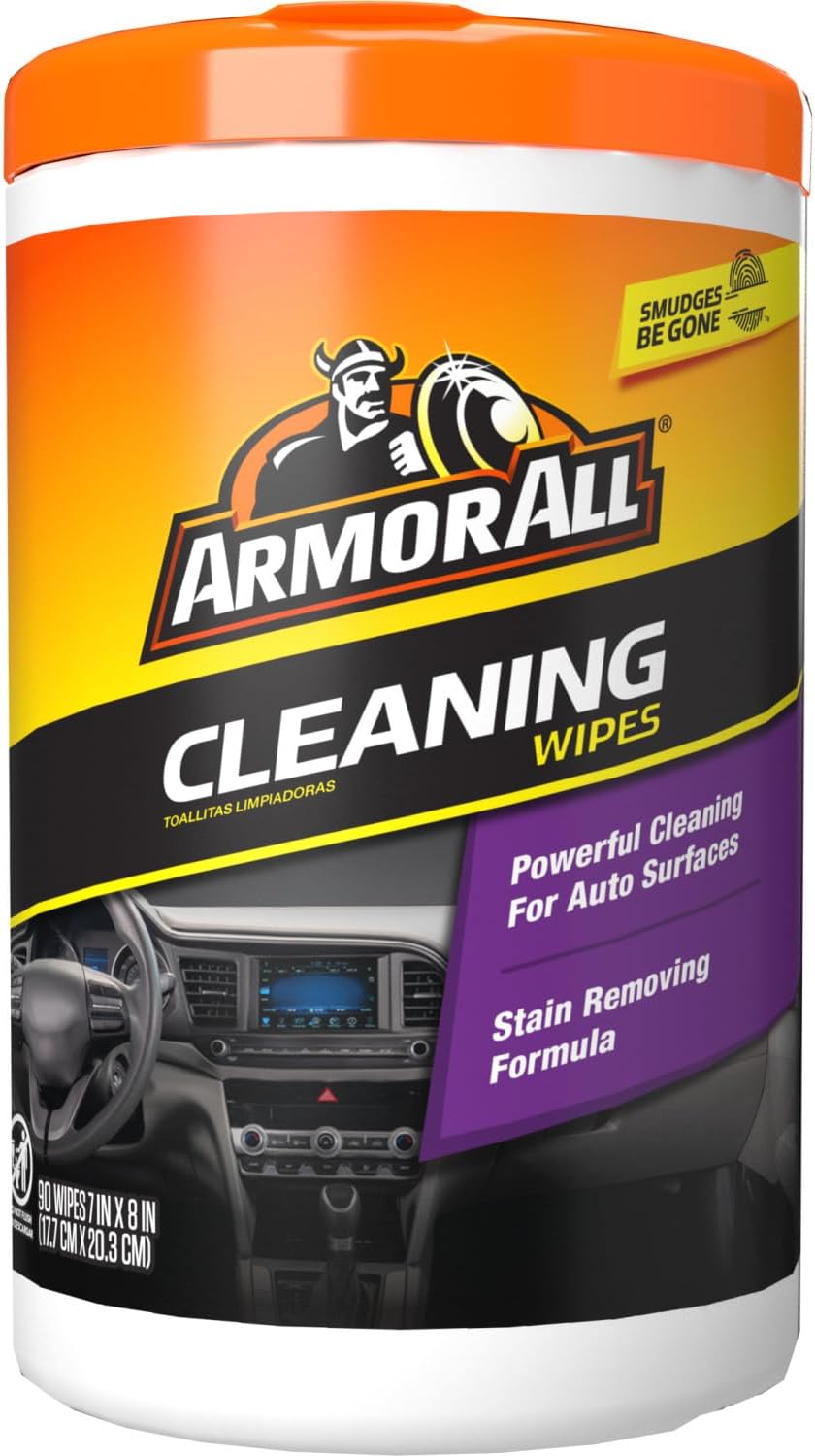
In recent years, there has been growing concern about the presence of per- and polyfluoroalkyl substances (PFAS) in consumer products, including car cleaning supplies. Armor All, a popular brand of automotive care products, has come under scrutiny regarding the potential use of PFAS in their car cleaning wipes.
This article aims to provide a comprehensive overview of the current state of knowledge regarding Armor All car cleaning wipes and PFAS, as well as broader context on PFAS in cleaning products.

What are PFAS?
PFAS are a group of man-made chemicals that have been widely used in consumer and industrial products since the 1940s. There are thousands of different PFAS compounds, characterized by their strong carbon-fluorine bonds that make them resistant to breaking down in the environment or in living organisms. This persistence has led to PFAS being dubbed “forever chemicals.”Some key properties of PFAS include:
- Water and oil repellency
- Heat resistance
- Ability to reduce friction
These properties have made PFAS useful in a wide range of applications, from non-stick cookware to firefighting foam to stain-resistant fabrics. However, the very qualities that make PFAS effective in products also contribute to their environmental and health concerns.
PFAS in Cleaning Products
PFAS have been used in various cleaning and maintenance products due to their ability to repel water, oil, and stains. Some categories of cleaners that may contain PFAS include:
- Glass and hard surface cleaners
- Fabric, upholstery, and carpet cleaners/treatments
- Waxes and polishes for floors, furniture, cars and boats
- Dishwashing rinse aids
- Aerosol propellant-based cleaners and air fresheners
Floor sealers and finishes are of particular concern, as a 2022 study found PFAS concentrations in dust and air particulate matter were significantly elevated during floor stripping and waxing activities.
Armor All Car Cleaning Wipes: Ingredients and PFAS
Armor All is a well-known brand of automotive care products, including their popular cleaning wipes. However, determining whether Armor All car cleaning wipes specifically contain PFAS is challenging based on publicly available information. Here’s what we know:
- Ingredient disclosure: Armor All’s website provides some information about the ingredients in their cleaning wipes, but does not explicitly mention PFAS. The ingredients listed include:
- Dipropylene glycol butyl ether
- Builders
- Surfactants
- No explicit PFAS claims: Armor All does not make any claims about their products being PFAS-free, unlike some other brands that have begun to market PFAS-free alternatives.
- Lack of independent testing: There do not appear to be any published independent studies specifically testing Armor All car cleaning wipes for PFAS content.
- Broader industry context: Many car care and cleaning products have historically contained PFAS, though some manufacturers are now moving away from their use.
Given this information, it’s not possible to definitively state whether Armor All car cleaning wipes contain PFAS without further testing or disclosure from the company. The presence of “surfactants” in the ingredient list could potentially include PFAS compounds, as these chemicals are often used as surfactants, but this is not certain.
Health and Environmental Concerns Related to PFAS
The widespread use and persistence of PFAS have led to significant concerns about their impact on human health and the environment. Some key issues include:Health effects: Studies have linked PFAS exposure to various health problems, including:
- Increased cholesterol levels
- Changes in liver enzymes
- Decreased vaccine response in children
- Increased risk of kidney and testicular cancer
- Increased risk of high blood pressure in pregnant women
Environmental impact: PFAS can:
- Persist in the environment for many years
- Contaminate soil and groundwater
- Bioaccumulate in fish and wildlife
- Spread far from their original source through water and air
Exposure routes: People can be exposed to PFAS through:
- Drinking contaminated water
- Eating food that contains PFAS (e.g., fish from contaminated waters, food packaged in PFAS-containing materials)
- Using products that contain PFAS
- Inhaling PFAS-contaminated dust or air particles
It’s important to note that most studies on PFAS health effects have focused on long-term exposure through drinking water or occupational contact. The risks from occasional use of cleaning wipes, if they do contain PFAS, are less clear but still concerning given the chemicals’ persistence in the body.
Regulatory Landscape and Industry Response
As awareness of PFAS-related concerns has grown, there have been increasing efforts to regulate these chemicals and push for alternatives:
- Government action: Several states have banned or restricted certain PFAS chemicals, and the EPA has proposed designating some PFAS as hazardous substances.
- Industry shifts: Many major retailers and manufacturers are phasing out PFAS-containing products or moving towards PFAS-free alternatives.
- Disclosure requirements: Some jurisdictions, like California, have implemented laws requiring disclosure of toxic chemicals in cleaning products.
- Military response: The U.S. military has been addressing PFAS contamination at numerous bases, particularly related to firefighting foam use.
Alternatives and Precautions
For consumers concerned about potential PFAS exposure from car cleaning products, there are several alternatives to consider:
- PFAS-free products: Look for car care products that explicitly state they are PFAS-free. Many companies are now marketing such alternatives.
- DIY solutions: Make your own cleaning solution using water, white vinegar, and a small amount of dish soap.
- Natural cleaning brands: Consider products from brands that specialize in natural, non-toxic formulas.
- Simple soap and water: For many cleaning tasks, plain soap and water can be very effective.
If using products that may contain PFAS, some precautions include:
- Wearing gloves
- Washing hands thoroughly after use
- Avoiding use on surfaces that come into frequent contact with food or children
- Proper disposal of used wipes (don’t flush)
Conclusion
While Armor All car cleaning wipes are a popular and convenient product for maintaining vehicle interiors, the potential presence of PFAS raises important questions about their long-term safety for both human health and the environment. Without definitive testing or disclosure from the company, it’s difficult to determine whether these specific wipes contain PFAS.
Given the growing concerns about PFAS in consumer products and the increasing availability of PFAS-free alternatives, consumers may want to consider other options for car interior cleaning. This could include seeking out explicitly PFAS-free products or using simple, homemade cleaning solutions.
Ultimately, the choice of whether to use Armor All wipes or similar products comes down to personal risk assessment. By staying informed about the issues surrounding PFAS and considering all available options, consumers can make the best decision for themselves, their families, and the environment.
As research continues and regulations evolve, we can expect to see further changes in the car care product industry towards safer, more sustainable options. In the meantime, being an informed consumer and considering alternatives can help minimize potential PFAS exposure while still keeping your vehicle clean and well-maintained.